Below is an excerpt from that Independence Stadium rant: 1994
"The enemies of African progress, the illegitimate sons of this country disguise themselves in the form of journalists, in the form of freedom fighters, in the form of human rights activists BUT they are all illegitimate sons of Africa – Get rid of them! The so called journalists, they are very vulnerable. You can send them into the streets begging when you don’t buy their newspapers – they won’t function! "So they depend on you. Don’t allow the mosquito to suck your blood, father! I tell you no lie! One day I was looking at a … something you call newspaper, and I saw a big headline – ‘DETAINEES STILL DETAINED HERE.’ When I looked at the headline I said ‘Yeah, they are still detained here – what can you do about it?’
"They talk about Human Rights, an issue they don’t even understand. And I will tell you what Human Rights stand for: It is an illusion, a fallacy that is non existent anywhere in this world; It is a western machination to manipulate Africa, and I will tell you each letter of Human Rights what it stands for.
"The ‘H’ stands for Hoodwink – You all know what hoodwink is, to blindfold people!
The ‘U’ stands for the Universe!
‘M’ stands for Manipulate!
‘A’ stands for Africa, And
‘N’ stands for African Nations!
"They hoodwink the universe, manipulate the African nations! When they hoodwink the universe, manipulate African nations,
the ‘R’ stands for – to rip you off, they rip you off of your gold. After hoodwinking the universe and manipulating African nations, they rip you off of ideals, so that Africans will have no ideals but will follow their exported ideology that is meant to create wars in Africa, famine and starvation. We will never accept that! To turn some Africans into stooges so that they can always continue to manipulate us… We the AFPRC are saying that we will die but we will never let them suck our blood again.
"Tell me any country where there is so called human rights and people are not executed – tell me! In most of the so-called western types of human rights, those who uphold the so called principle of Democracy – When you go to their jails, Africans form the majority of all the inmates. What types of rights are they talking about? So you see the fallacy in human rights? We will never accept it! "I told you I will not talk about traitors because they continue to hang themselves. They will run but they will never hide. Their days are numbered and they know about it. Anybody under the AFPRC who steals even a single dime, you can go to wherever you think you can be free, you will never sleep, and you will come home either dead or alive – but you will never enjoy this world and in the next world you will burn! "And I will tell you, this is what the so called champions of human rights, of course they are champions of human rights, because they are enemies of Africa. But I will tell you what your rights are: Your rights are to live in peace, equality and prosperity. Anything that belongs to the nation, belongs to all of us. We have a right to development! As far as we are concerned, you are free as long as your freedom does not encroach upon the rights of others. If you encroach upon the rights of others, you can never be free and we can never respect you. The law is to deal with you! We are running a state! We are not running a financial company! We are not running a cowboy camp! We are not running a hippy camp! What we are running is a nation of human beings, where people are equal. If you think that you are going to use outside ideology to disturb us, what you are going to face will be worst than death.
"Gambians! This is a warning to all Gambians! We are Africans, we are Gambians, we are soldiers! Any patriotic Gambian is a soldier because you defend this country against injustice. We have passed the stage of appealing to people. If you want to be a donkey, we will treat you like a double donkey. If you want to be a human being, we will treat you like a human being. There is no compromise, and no nation outside The Gambia can do anything about it! "If you want to be free, don’t steal! If you want to be free don’t be a crook! If you want to be a free man don’t advocate for violence. Because when violence comes your bones would be in the air. People think they can use pressure to force us into elections?
We can tell you, if we don’t want election in the next thousand years there will be no election. And those who want election, we will make sure that you go six feet deep, and there is nothing anybody can do about it!" This piece was deep out by Baba Galleh. A good piece of history.
Thursday, 22 October 2009


Wednesday, 21 October 2009
MOTION AGAINST THE REMOVAL OF AFRICA HUMAN RIGHT COMMISSION IN THE GAMBIA
Let Gambians voice their opinion against the unjust plan to remove the African human right commission from the Gambia. The Gambia is not own by Yahya neither he is going to be the head of state forever. There moval will cost lots of people their jobs and livelihood. In as much we detest the APRC government and its dictator, we shouldn't support the plan to remove that structure from our country.Yahya can die today, tomorrow or may even be remove from power. Those that mean, the commission will be relocate back to the Gambia? Let the African humaN right commission stay!!!.
Lot of people express support for the commission's removal, but they are failing to see the big picture.
here is my reason for advancing the commission msut stay:
This is just a sample of how complicated our continent is. Now for us as Gambians, our national affairs takes precedence, but which African country is better than the other on the human right front?The African human right commission knows full well, Jammeh was referring to us Gambians with his usual threat of murder. Jammeh will never kill foriegn diplomats. We all know he is a coward par-excellence, therefore, he targets soft touch defenseless Gambians.The commissoin remained in the Gambian after 14 students were murdered, the commission remained in the Gambia after the hero of Pa Samba and many others here was reppeatedly arrested for no just reason, the commission remained in the Gambia whilst Jammeh made several comments of burying Gambians six feet deep. Why now?The jobs i was sympathising over are that of the ordinary cleaners, messengers, clerks and jobs handled by Gambians without any political attachment.The APRC employees are by and large dependable on the politics of Yahya and his band of thugs. The African human right commission must stay in the Gambia and expose human rights abuses left right and centre. Activate the civil society, distribute leaf lets, organise symposiums by inviting a cross section of politicians and student bodies.They can either stay and fight for a just Gambia or run away to another African country with questionable human rights records.Jammah can be put under intense pressure by the commission in providing legal aid and advice to victims of the Jammeh administration witch hunt against its opponent. It is too late in the day for the commission to run away.... But if majority of you folks feel the commission's removal will serve a political lesson, then i go along with your noted observations. But as Yero and LJD commented, it is early days, lets wait and see.
Lot of people express support for the commission's removal, but they are failing to see the big picture.
here is my reason for advancing the commission msut stay:
This is just a sample of how complicated our continent is. Now for us as Gambians, our national affairs takes precedence, but which African country is better than the other on the human right front?The African human right commission knows full well, Jammeh was referring to us Gambians with his usual threat of murder. Jammeh will never kill foriegn diplomats. We all know he is a coward par-excellence, therefore, he targets soft touch defenseless Gambians.The commissoin remained in the Gambian after 14 students were murdered, the commission remained in the Gambia after the hero of Pa Samba and many others here was reppeatedly arrested for no just reason, the commission remained in the Gambia whilst Jammeh made several comments of burying Gambians six feet deep. Why now?The jobs i was sympathising over are that of the ordinary cleaners, messengers, clerks and jobs handled by Gambians without any political attachment.The APRC employees are by and large dependable on the politics of Yahya and his band of thugs. The African human right commission must stay in the Gambia and expose human rights abuses left right and centre. Activate the civil society, distribute leaf lets, organise symposiums by inviting a cross section of politicians and student bodies.They can either stay and fight for a just Gambia or run away to another African country with questionable human rights records.Jammah can be put under intense pressure by the commission in providing legal aid and advice to victims of the Jammeh administration witch hunt against its opponent. It is too late in the day for the commission to run away.... But if majority of you folks feel the commission's removal will serve a political lesson, then i go along with your noted observations. But as Yero and LJD commented, it is early days, lets wait and see.
Tuesday, 20 October 2009
Jaliba Kuyateh


Jaliba Kuyateh
- An ambassador for Manden culture and Music
By Suntou Bolonba Touray U.K
Jaliba kuyateh a Mandingka kora superstar has mesmerised his audience both within and outside the borders of the Gambia for years. Jaliba a former teacher, choose music as his soul career at a very early part of his adult life. That decision made him a very influential and well known Kora player. His style of Music is rooted in the Mandingko griot tradition. The fact that the Kuyatehs are a respected griot family line is unmistakable in Manden (all Mandingka countries). The kora is said to have originated from Gambia. For a more comprehensive history of the Kora check OneGambia. Even though that narrative of the origin of the kora is subjective and Gambian-centric it however relay an interesting dialogue about the myth of the instrument.
I am by all accounts the most unqualified person to conduct this enquiry as I am completely lacking a deeper knowledge of current trends in Mandingka music or music in general. My position is more of an abridger in identifying Jaliba’s role in negotiating Mandingka griot tradition towards the outside world or outside its original context. The commentary here will be a brief analysis of Jaliba’s export and promotion of the Mandingka culture and how he may have modified the original understanding of tradition. I will also show the opinions of Gambian music promoters, who may not be Mandingkas but recognise the evolution of Mandingka music tradition.
Jaliba became the most famous Kora player in Gambia after the eras of Lalo keba Drammeh, Bamba Suso, Amadou Bansang, Banna Kanuteh, Alh. Bai Konteh, Jali Madi Wullen etc. This doesn’t mean Jaliba is a greater Gambian kora export than the likes of Jali Foday Musa Suso who toured the globe with different renowned western musicians. Traditionally musical instruments are linked to specific cultures. Jaliba, the name and the instrument he plays identifies him with the Mandingka music, culture and tradition. Jaliba followed the path of the Manden Jali/musician tradition of seeking out batufas, patrons of the Gambian society.
Why Jaliba is considered a promoter of the Mandingka culture is a question that needs looking into. To answer that question one has to start with some simple examples from Jaliba’s repertoire and how they relate to Mandingka culture and tradition. For example songs like ‘kuntuman dinnah, alin ngha sera’ , this is a song attributed to the custom of making a bride smell with traditionally made fragrance known as kutuman. The use of Mandingka proverbs like ‘jusubo moo adama jawbaleti’ , anger is the biggest enemy of mankind, Kuu tan fan naah bata tije, departing from ones personal experience is less problematic, Nghata nyo yaa, kano kano, Kingtanba and many of his songs are standard models of Mandingka tradition. The examples given are just amongst the numerous proverbial phrases Jaliba uses in entertaining his fans and followers.
The use of proverbs is typical of all customs and traditions, hence each phrase has a unique signature which traces it back to a particular cultural instance or context. For more on Mandingka phrases check the blog mandinkatalinwo.
Jaliba’s Transformation
Jaliba began his career by upholding the old tradition of playing for batufas, patrons on a personal level with a personal touch of playing and singing styles. His songs were sombre and cultural; even those having a limited interest in music enjoyed his traditionally styled kora playing and songs.
The dynamics of culture, the drift for modernisation and the need to generate wider audiences became driving factors for Jaliba´s transformation and internationalisation. This new team was materialised by adding, a bass guitar, electric guitar, saxophone, drum set, traditional Mandingka drums, traditional Wolof drums, dancers and backing vocals to the entourage. Thus was Jaliba´s transformation from a traditional ensemble consisting of the kora and singing to the modern Jaliba & Kumareh Band. Jaliba now has expert musicians from four different regions in Senegambia and two from Guinea Conakry. Jaliba therefore blended the Kora with all the instruments at his disposal.
Jaliba & the Kumareh Band consists of the following musicians:
Jaliba Kuyateh lead-singer and master Kora player (Gambia)
Tafa Njie … (Senegal)
Wuyeh Jassey, Balafon (Gambia)
Kalu Sunbumdou gaiter (Gambia)
Babading Kuyateh drums. Jaliba’s younger brother (Gambia)
Momodou Niang Wolof drum, his father was a musician and master of ceremonies in Jawara’s time (Gambia)
Omar Camara Mandingo drums (Gambia)
Solo dancer (Gambian)
Tuti Sansany and Madam Suso backing vocals and dancers, Jaliba’s wives (Senegal & Gambia)
Bubacarr Sisoco, electric Guitar (Senegal)
http://www.youtube.com/watch?v=FTLoJ8_KLx4&feature=related
Discography of Kumareh Band: (albums)
Radio Kankan 1993
Tissoli 1994
Dajukah 1994
Live In America 1995
Hera Banku 1995
Gambia third day 1996
Njai Kunda 1998
Fankanta 1999
Best of Jaliba Kuyateh 2000
Sosolaso and Sabarla 2009
For a taste of Jaliba’s music check this youtube link: http://www.youtube.com/watch?v=8z_RAEFDQu0&feature=related
The finnaa, bard tradition dictates that Jalis should seek out what is referred to as ‘kandalu’, the powerful and outstanding members of society and not only sing someone’s praise for money. With advancement Jaliba did not abandon the kora tradition of batufaya, patronage and praise-singing; in fact he took it to another level. Before, the kora player plays for their patrons in their home environment amongst family members and close friends. Now Jaliba Kuyateh targets his patrons in a much more grandiose manner. He created a network of patrons which include the best of Gambian society. Businessmen, high ranking civil servants, local rulers, famous women, rich folks, senior government employees, head of states, lawyers, diriyankees i.e. able bodied women who crave for the limelight etc.
Jaliba on the other hand, sings the praise of those who want him to and can pay for it and those belonging to the traditional power structure. Some examples of such traditionally influential families are the Bojang kunda of Brikama, the Touray kunda of Gunjure, the Darbo kunda of Kombo, the Cham kunda of Kombo, the Jawla Kunda in Sandou, the Marong and Jammeh kunda in Badibou, Bandeh Kunda in Basse, Bandeh Kunda in Fuladou, Cham and Manneh kunda in Sukuta, and many others. Jaliba sings the praise of these families and their progeny wherever he meets them. http://www.youtube.com/watch?v=4xnpBH2f8ZA&feature=related
But the shows are more profitable, where the attendees are of mixed background and of varying status. Jaliba´s usual strategy on such occasions is that, he commences with generalising songs about ‘generosity’ or a song with a word of warning (cleanliness or personal hygiene). Thereafter he turns his attention to one batufa after the other. Each song deals with a specific patron, then another and another until the show ends. The method is, as soon as your name is mention you make your presence known by throwing your gifts at him. Friends and loved ones join in to lend a supporting hand in throwing gifts and one does the same when the praises of others are sung as well.
Three worrying scenarios imaged during the study of Jaliba. The trend of praise seeking and bluffing beyond norms falling short of outrage.
http://www.youtube.com/watch?v=FTLoJ8_KLx4&feature=related
At an album release occasion held at the Kairaba Hotel, one Mr Jobe gave Jaliba a bundle of money in the region of ten thousand dalasis at one go. In all the videos I watched, that was the only time a patron throw such amount of money in one bundle and at one go and not the customary note by note or one note after the other. This was scary as he overshadowed all other patrons who had changed big notes to smaller denomination notes to extend duration of throwing gifts to Jaliba.
In Britain for instance, the changing of pounds into one dollar notes is a common currency among Jaliba’s U.K fans. On another video from a London show one Mr Jabbi (aka Jabbi Dollar) dishes out so much dollar notes that Jaliba himself had to stop him. The man was like in trance and could not think clearly.
The showman of them all was at a Paris show in September 2008. Jaliba had composed a song for One Mr Saidy call Kano merin Baanw mandiya meaning a long lasted relationship is not easy to dissolve. This man walked like a tortoise as soon his song started. He was encircled by a group of women dancing around him and two men in suits. He was dress in a long kaftan with a Palestinian scarf round his neck whiles he inhaled all the praise and adoration. The Marabou man walks slowly up to the donation bowl. I have never seen anything like it. Grandstanding at its best!
Jaliba’s researcher:
Although the patrons are not oblivious to the fact that their praise would be sung in a show, they may be informed in advance. One thing that struck me in understanding Jaliba’s music and his approach to patrons was the extensive research his band manager conducts before he begins to praising his patrons. The band manager finds out the lineage, friends, associates, wives, sisters, family members of the patron in question. Since shows bring in unexpected friends or associates of patrons, the band manager is always on the lookout. As soon as he spots an unexpected face, he will quickly find out about the person and debrief Jaliba whilst a song is in progress. The band manager usually stands behind Jaliba whispering in his ears the names and titles of unexpected patrons, their friends and associates.
Trends and fashion on Jaliba’s Shows:
Jaliba is not just a kora player. His shows inspire dress trends amongst the women attendees. One can see all sorts of African dresses in all kinds of styles. These dresses are later copied and become trends that influence fashion. The hairstyles and facial beautification, varieties of gold chains, hand purses, dance styles are all major activities for the womenfolk in their preparations for the Jaliba Show. Jaliba is a mover!
Jaliba’s controversial songs:
Several years ago when the zone two album was published, Jaliba sang a love song from the album at a show in Kombo Gunjure. During the show Jaliba could be heard saying iminina ifan yeh iminin ilah, embrace me and let me embrace you. In resent shows Jaliba took this phrase a bit further by requesting of his fans to physically embrace each other, whilst he cuddles his kora to demonstrate to the audience how to embrace. That behaviour triggered a bitter outburst from one fire brand preacher. Sheik Bakawsu Fofana a young scholar from Jarra attacked Jaliba for urging the public to commit a sinful act. Bakawsu at a Gamo said Jaliba is sinning and promoting indecency. That inspired Jaliba to urge his fans to embrace each other even more at every single one of his shows. One then has to question the rationale for Bakawsu’s outburst.
Listen to the lecture at the link below:
(http://www.iladinolong.com/index/index.php?option=com_content&view=article&id=53%3Abakauso-fofana&catid=34%3Adaoud&Itemid=58)
Was it because he felt Jaliba went too far in negotiating Manden kora culture or was it simply in defence of religious teachings? I sent questions to three Gambians who follow Jaliba’s music and the art of African music in general to express their opinions about Jaliba’s musical transformation.
The responses and that of Jaliba’s interview will relay in the part two of the study. Jaliba was contacted and he expresses happiness at my attempt to explain certain aspect of his Music and roles in the Gambian musical traditions. Efforts are also on the way to get the reaction of the Sheik Bakausu Fofana.
In part two I will labour to get the facts behind the misunderstanding between Jaliba and Bakausu, his own opinion on the place of art in the evolution of Mandingo culture. Is his music modern for the cultural rigidity of Mandingos, has he gone too far in being an all-inclusive entertainer?
Till then, wasalam. Ala Baraka.
Sunday, 11 October 2009
The Sarahulehs: It is not just about the money
The Sarahuleh community has a tag that hardly changes from people’s consciousness whenever they are discussed. The tag or cliché is that, they are mainly interested in money hunting all their lives and that money is more important to them than many other life requirements.
Well, this is not wholly true. The ethnicity like others does marvel and take pride in material gains and successes. However, the community’s quest for wealth is for beneficial purposes mainly and also prestige. This is the same for all other tribes. We all want to be wealthy and comfortable. Wealth is a measure of success and power. It generates respect and command.
The Sarahulehs like others also have time for pleasures and entertainment. In fact Sarahuleh men are among the best dancers in the West African traditional cultural arena. A few selected videos from youtube will clarify that point. I place this in the public domain to mainly show the other side of the Sarahuleh people in order that the money money stigma can be balanced and refocus.
The musicians are mainly from Mali, the ancestral home for the Marakah (sarahuleh) people.
Lassana Hawa
http://www.youtube.com/watch?v=evLqPk4Moic&feature=related
Dalla Diallo
http://www.youtube.com/watch?v=o3rc_zTilgI&feature=related
Bintu Soukho
http://www.youtube.com/watch?v=Ki3EIVHQtS0&feature=related
Halima Toure
http://www.youtube.com/watch?v=FSpERHgqpk4&feature=related
http://www.youtube.com/watch?v=xmHgpBzJOfI&feature=related
Ganda Fadiqa (poet and genealogist)
http://www.youtube.com/watch?v=USErypVV8Qk&feature=related
These five famous Sarahuleh musicians are only the few I came across, there are many more available. Although not a Sarahuleh personally, I have lived and attended primary school with them and know the culture and people quiet well. I hope the contribution is not seen in a patronising manner or in a negative light, should that be the case, I sincerely apologise in advance.
Well, this is not wholly true. The ethnicity like others does marvel and take pride in material gains and successes. However, the community’s quest for wealth is for beneficial purposes mainly and also prestige. This is the same for all other tribes. We all want to be wealthy and comfortable. Wealth is a measure of success and power. It generates respect and command.
The Sarahulehs like others also have time for pleasures and entertainment. In fact Sarahuleh men are among the best dancers in the West African traditional cultural arena. A few selected videos from youtube will clarify that point. I place this in the public domain to mainly show the other side of the Sarahuleh people in order that the money money stigma can be balanced and refocus.
The musicians are mainly from Mali, the ancestral home for the Marakah (sarahuleh) people.
Lassana Hawa
http://www.youtube.com/watch?v=evLqPk4Moic&feature=related
Dalla Diallo
http://www.youtube.com/watch?v=o3rc_zTilgI&feature=related
Bintu Soukho
http://www.youtube.com/watch?v=Ki3EIVHQtS0&feature=related
Halima Toure
http://www.youtube.com/watch?v=FSpERHgqpk4&feature=related
http://www.youtube.com/watch?v=xmHgpBzJOfI&feature=related
Ganda Fadiqa (poet and genealogist)
http://www.youtube.com/watch?v=USErypVV8Qk&feature=related
These five famous Sarahuleh musicians are only the few I came across, there are many more available. Although not a Sarahuleh personally, I have lived and attended primary school with them and know the culture and people quiet well. I hope the contribution is not seen in a patronising manner or in a negative light, should that be the case, I sincerely apologise in advance.
Monday, 5 October 2009
Making Sense of Binneh's article on Yahya's U.N drama: scholarship or a Change of heart
"...Yahya Failed short to use the occasion in building his image as a champion of justice and the rule of law.” Binneh
Fail to build his image. Is this coming from Lt Binneh? A man who after Ramadan threaten to kill, what more evidence those Binneh requires in arriving at a more tangible scholarly conclusion? No one will be mistaken if Binneh is accuses of cosying-up to Yahya.
“He could have used the international occasion to bridge the divide by apologizing to all victims of alleged human rights violations under his regime. That would only make him a strong leader and pave a way for The Gambia to come to terms with its past.” Binneh
Apologising! Mama mia, allure what has this world come to? After friend’s of Binneh disappeared on the faithful day of November 11, apologising for that will erase everything, what a forgiven gesture. If life doesn’t mean life in the Gambia, but at least it means life imprisonment.
“Sparring on the plight of Africa and developing nations in the modern world, President Jammeh’s argument falls right on the trajectories of history. Although institutional failures in modern day African governments could take some of the brunt, post-colonial Africa has been designed as an instrument of exploitation. Africa’s relations with Multinational cooperation’s are not based on openness, trust, mutual respect and interest. The Gambian leader made a compelling argument, and ending Africa’s image as a neo-colonial exploitative unit is the first step in confronting the continents challenge. And that could only be attained by taking leadership and ownership through accountability and transparency based on mutual interest.” Binneh
An unnecessary complaint there. Africa needs to be strong enough to bargain to its interest.
“The only observation with this part of President Jammeh’s argument is the standard of diplomatic language used in his characterization of Multinational Co-operations. He therefore fell short by referring to Multi-National co-operations as “locusts,” and the United Nations as an “Animal Farm.” Such a language should be left for scholars to use, but not a Head of State. The use of diplomatic language in the international diplomatic arena is critical as it has a direct impact on the image of a leader and a nation. Hopefully, President Jammeh’s speech writers would take concrete steps to ensure that proper diplomatic language is used in all his forthcoming speeches at International Functions.” Binneh
Complaining about Jammeh’s language usage alone spells more than what Binneh hopes to pass on. I for one can’t believe this.
“On the question of deadly diseases such as HIV/AIDS, Malaria and Tuberculosis, President Jammeh must be commended for acknowledging global efforts and calling on support for International Research on the use of traditional medicine in confronting the menaces of diseases in Africa. This has indeed manifested the President dropping his previous claims of curing aids and seeking for a collective global support for traditional treatments using theories and hypothesis of modern science. By boldly using the United Nation General Assembly as a venue to do so, the Gambian leader manifested courage and commitment to the global quest of tackling the menaces of deadly diseases.” Binneh
Yeah indeed, an irresponsible claim that Binneh. How many Gambians may have relied on their leaders mystical powers? The U.N is not a place to complain, it is a place to bargain.
“Hopefully great lessons are learned from this experience. His overall Performance was encouraging for a Young African Leader of modern times. This is just a food for thought.” Binneh
Good bye Binneh. That ending remark cemented the suspicion of a change of heart. African young leaders! Leadership is much more than being a head of state.
One vital point we all need to bear in mind is that, scholarship is much more than being objective. Hiding behind objective analysis borders on massaging egos, western or all other serious scholars adopted critical minds and outlook in exploring their conditions. Pan-African, or ordinary aspirants to the ocean of scholarship must first rationally admit the guilt of our own self-inflicted harm, before praising tyrants who never hesitate to kill a (black man/woman) for their power preservation.
International bodies are aware of the self-hate inherent among us, they were once our colonial masters, lived among us and did research on us. How can some think that, a rant by one of our misguided president will make them look or think of us any different?
How many volunteers from the west do we have among us? Whatever Jammeh or all other African heads of states do, is well known to the international bodies. If we don’t respect ourselves, why should others respect us? If we help tyrants imprison and kill our people (all in the name of development) why should others think that we have moved on?
It is a positive step for Binneh to position himself in the scholarship domain, but with his experience of the man whose speech he wish us to take as commendable defies all rational thoughts.
Fail to build his image. Is this coming from Lt Binneh? A man who after Ramadan threaten to kill, what more evidence those Binneh requires in arriving at a more tangible scholarly conclusion? No one will be mistaken if Binneh is accuses of cosying-up to Yahya.
“He could have used the international occasion to bridge the divide by apologizing to all victims of alleged human rights violations under his regime. That would only make him a strong leader and pave a way for The Gambia to come to terms with its past.” Binneh
Apologising! Mama mia, allure what has this world come to? After friend’s of Binneh disappeared on the faithful day of November 11, apologising for that will erase everything, what a forgiven gesture. If life doesn’t mean life in the Gambia, but at least it means life imprisonment.
“Sparring on the plight of Africa and developing nations in the modern world, President Jammeh’s argument falls right on the trajectories of history. Although institutional failures in modern day African governments could take some of the brunt, post-colonial Africa has been designed as an instrument of exploitation. Africa’s relations with Multinational cooperation’s are not based on openness, trust, mutual respect and interest. The Gambian leader made a compelling argument, and ending Africa’s image as a neo-colonial exploitative unit is the first step in confronting the continents challenge. And that could only be attained by taking leadership and ownership through accountability and transparency based on mutual interest.” Binneh
An unnecessary complaint there. Africa needs to be strong enough to bargain to its interest.
“The only observation with this part of President Jammeh’s argument is the standard of diplomatic language used in his characterization of Multinational Co-operations. He therefore fell short by referring to Multi-National co-operations as “locusts,” and the United Nations as an “Animal Farm.” Such a language should be left for scholars to use, but not a Head of State. The use of diplomatic language in the international diplomatic arena is critical as it has a direct impact on the image of a leader and a nation. Hopefully, President Jammeh’s speech writers would take concrete steps to ensure that proper diplomatic language is used in all his forthcoming speeches at International Functions.” Binneh
Complaining about Jammeh’s language usage alone spells more than what Binneh hopes to pass on. I for one can’t believe this.
“On the question of deadly diseases such as HIV/AIDS, Malaria and Tuberculosis, President Jammeh must be commended for acknowledging global efforts and calling on support for International Research on the use of traditional medicine in confronting the menaces of diseases in Africa. This has indeed manifested the President dropping his previous claims of curing aids and seeking for a collective global support for traditional treatments using theories and hypothesis of modern science. By boldly using the United Nation General Assembly as a venue to do so, the Gambian leader manifested courage and commitment to the global quest of tackling the menaces of deadly diseases.” Binneh
Yeah indeed, an irresponsible claim that Binneh. How many Gambians may have relied on their leaders mystical powers? The U.N is not a place to complain, it is a place to bargain.
“Hopefully great lessons are learned from this experience. His overall Performance was encouraging for a Young African Leader of modern times. This is just a food for thought.” Binneh
Good bye Binneh. That ending remark cemented the suspicion of a change of heart. African young leaders! Leadership is much more than being a head of state.
One vital point we all need to bear in mind is that, scholarship is much more than being objective. Hiding behind objective analysis borders on massaging egos, western or all other serious scholars adopted critical minds and outlook in exploring their conditions. Pan-African, or ordinary aspirants to the ocean of scholarship must first rationally admit the guilt of our own self-inflicted harm, before praising tyrants who never hesitate to kill a (black man/woman) for their power preservation.
International bodies are aware of the self-hate inherent among us, they were once our colonial masters, lived among us and did research on us. How can some think that, a rant by one of our misguided president will make them look or think of us any different?
How many volunteers from the west do we have among us? Whatever Jammeh or all other African heads of states do, is well known to the international bodies. If we don’t respect ourselves, why should others respect us? If we help tyrants imprison and kill our people (all in the name of development) why should others think that we have moved on?
It is a positive step for Binneh to position himself in the scholarship domain, but with his experience of the man whose speech he wish us to take as commendable defies all rational thoughts.
Sunday, 4 October 2009
Every Woman Knows!
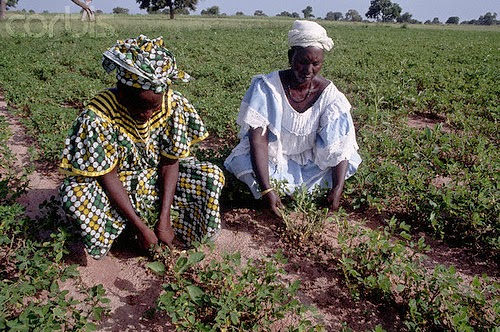
All over the world
Women blessed in fashions
Endowment in variety
Skeleton done fashion
Every woman knows
The smile tells it allWomen in the farm
Women in the market
Women in the office
Women in uniform
Women in schools
Every woman knowsWomen in the village
Women in hamlets
Women in towns
Women in cities
Every woman knows!Older women
Younger women
Teenage women
Black women
Asian women
White women
Chinese women
Arab women
Red women
Every woman knowsRich women
Poor women
Sick women
Healthy women
Alright women
Never for once think
Beautiful women
Don’t know about their beauty
Every women knows
The image she is in!Allright reserve.
Thursday, 24 September 2009
Why some Gambians in the West can die for Jammeh
Imagine a that the majority of us were born in relative poverty. The majority after attaining a little commence to show off and talk big. The majority of us reraly think wider than our own immediate interest.
The exposure that we attain is mainly through films (movies), and the travel to the developed western countries. What do we understand by development?
Is it the street lights? Is it the tall buildings with magnificent designs? Is it the bridges and water ways? Is it the night clubs and free life, the cars, trains, dresses?
The exposure to a variety of things that we once use to only see in Hollywood blockbusters are more or less in our midst. To some this is development and that any semblance of it anywhere is term a developmental oriented gesture.
The average Gambian in the west is not notice, he/she goes to work or school, come back home and go back into his/her shell. Just another foreigner. Yet he/she is somebody as soon the 747 touched down in the dusted field of Yumdum. The amazing things that are seen and feel in Europe or America are glimpsed in musky Serrekunda. The Street lights, the fast cars, the new rising buildings and some new roads.
The journey to home is more than what is expected. Now wearing the smart dress and raising the shoulder even higher can begin. Is it a dream or did i show a street light?
To these people Yahya was the messier whose coming was anticipated but finally, just finally the man is here. Development is here, progress is here and the dream is no more.
These people unload their psychological traumas of not being notice in the west to not just being notice but at least feeling the things that make the west glorious.
The sentimental Psyche in-built in all of us begin to take control. If Yahya a semi-educated former military officer can do better than a university educated doctor, why should he not be supported?
Yahya Jammeh's leadership has trigger numerous complicated and dynamic problems for Gambians. The issues at play goes beyond mere politics. Yahya personify the divide in Gambian politics like no other.
His defenders and they are many across the ethnic divide view others as enemies of conscience and haters of development and all that it embodied. But to a minority of Yahya's own ethnic group, not supporting Yahya goes beyond politics in a much sensitive way. Yahya they analyse as the only one who has over centuries of existence claim to be the only person who is able to govern over a country or region where the ethnicity is not uniform. Yahya then becomes a messier!
There is no case to see or even contemplate talking or discussing Yahya's wrongs, his crimes and oppression. His eccentric life styles, his arrogance and rudeness. They attribute all of Yahya's crimes as someone reacting to the threats of ENEMIES, TRAITORS. The hash reactions of Yahya against undesirable elements is necessary for his survival, because they naturally know that, being a minority, pre-emptive strike is the only solution to longevity.
Yahya understand the aspirations of Gambians in the most twisted way. The love of fame and glory, love of titles and name. Yahya bid to face lift all the visible areas of the greater Banjul region, construct some roads across the Provence's, and early on the spread of new schools. Those who fall for the cheap propaganda tools swallowed all the traps set by Yahya and his key faceless advisers.
The propaganda machine is easy to turn on and off. Speak against the regime, expect hash reactions and no sympathy from the majority of Gambians. This is why, the government plays dumb on the plight of journalist, opposition members, military antagonist, former spies etc.
Yahya can even afford to pretend not to know the noises about human rights abuses and suppressive atmosphere prevalent in the country.
The successful sacrificing of close aids becomes an art for him. The continual dismissal of staff made him blameless in deaths, torture and unlawful jailing. In fact some will go as far as say, Yahya is not the one responsible for crimes against Gambians. How interesting!
But when a divide and rule mechanism is entrench, critics are enemies and saboteurs, whilst praise singers are patriots.
Next the definition and real meaning of development will be laid out from experts who know the word's technical meaning.
To Gambians in the west who have fallen for the flashy as development, think wisely. Why did you come to Europe or America? Is because of the street lights or roads? Is it because of the tall buildings? Think...
The exposure that we attain is mainly through films (movies), and the travel to the developed western countries. What do we understand by development?
Is it the street lights? Is it the tall buildings with magnificent designs? Is it the bridges and water ways? Is it the night clubs and free life, the cars, trains, dresses?
The exposure to a variety of things that we once use to only see in Hollywood blockbusters are more or less in our midst. To some this is development and that any semblance of it anywhere is term a developmental oriented gesture.
The average Gambian in the west is not notice, he/she goes to work or school, come back home and go back into his/her shell. Just another foreigner. Yet he/she is somebody as soon the 747 touched down in the dusted field of Yumdum. The amazing things that are seen and feel in Europe or America are glimpsed in musky Serrekunda. The Street lights, the fast cars, the new rising buildings and some new roads.
The journey to home is more than what is expected. Now wearing the smart dress and raising the shoulder even higher can begin. Is it a dream or did i show a street light?
To these people Yahya was the messier whose coming was anticipated but finally, just finally the man is here. Development is here, progress is here and the dream is no more.
These people unload their psychological traumas of not being notice in the west to not just being notice but at least feeling the things that make the west glorious.
The sentimental Psyche in-built in all of us begin to take control. If Yahya a semi-educated former military officer can do better than a university educated doctor, why should he not be supported?
Yahya Jammeh's leadership has trigger numerous complicated and dynamic problems for Gambians. The issues at play goes beyond mere politics. Yahya personify the divide in Gambian politics like no other.
His defenders and they are many across the ethnic divide view others as enemies of conscience and haters of development and all that it embodied. But to a minority of Yahya's own ethnic group, not supporting Yahya goes beyond politics in a much sensitive way. Yahya they analyse as the only one who has over centuries of existence claim to be the only person who is able to govern over a country or region where the ethnicity is not uniform. Yahya then becomes a messier!
There is no case to see or even contemplate talking or discussing Yahya's wrongs, his crimes and oppression. His eccentric life styles, his arrogance and rudeness. They attribute all of Yahya's crimes as someone reacting to the threats of ENEMIES, TRAITORS. The hash reactions of Yahya against undesirable elements is necessary for his survival, because they naturally know that, being a minority, pre-emptive strike is the only solution to longevity.
Yahya understand the aspirations of Gambians in the most twisted way. The love of fame and glory, love of titles and name. Yahya bid to face lift all the visible areas of the greater Banjul region, construct some roads across the Provence's, and early on the spread of new schools. Those who fall for the cheap propaganda tools swallowed all the traps set by Yahya and his key faceless advisers.
The propaganda machine is easy to turn on and off. Speak against the regime, expect hash reactions and no sympathy from the majority of Gambians. This is why, the government plays dumb on the plight of journalist, opposition members, military antagonist, former spies etc.
Yahya can even afford to pretend not to know the noises about human rights abuses and suppressive atmosphere prevalent in the country.
The successful sacrificing of close aids becomes an art for him. The continual dismissal of staff made him blameless in deaths, torture and unlawful jailing. In fact some will go as far as say, Yahya is not the one responsible for crimes against Gambians. How interesting!
But when a divide and rule mechanism is entrench, critics are enemies and saboteurs, whilst praise singers are patriots.
Next the definition and real meaning of development will be laid out from experts who know the word's technical meaning.
To Gambians in the west who have fallen for the flashy as development, think wisely. Why did you come to Europe or America? Is because of the street lights or roads? Is it because of the tall buildings? Think...
Subscribe to:
Posts (Atom)